

Imagine walking into a zoo at feeding time.
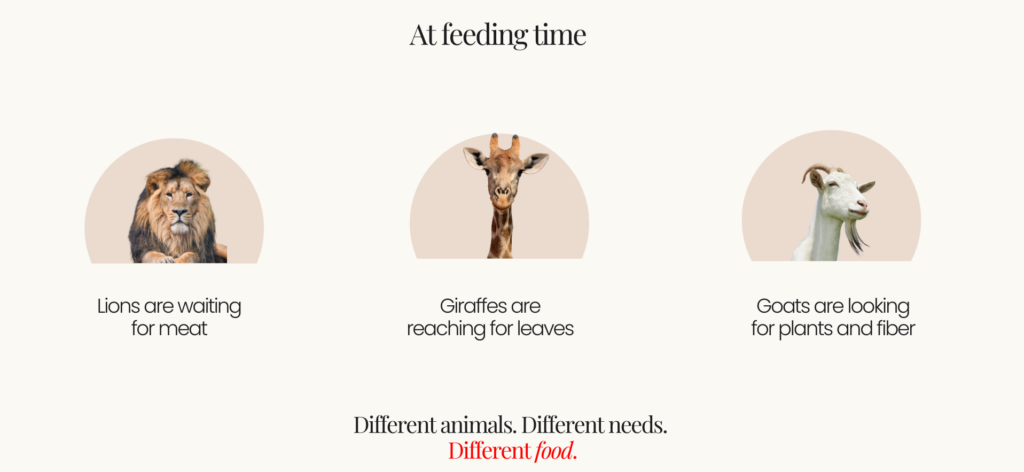
The lions are waiting for meat. The giraffes are reaching for leaves. The goats are looking for plants and fiber. Now imagine giving every animal exactly the same food.
The lions wouldn’t thrive. The giraffes wouldn’t get what they need. The entire ecosystem would quickly fall out of balance. It sounds obvious in a zoo. Yet many people don’t realize the same principle applies to the skin microbiome.
Welcome to the Skin Zoo
Your skin is home to billions of microorganisms. Bacteria, fungi, and other microscopic residents live together on the skin’s surface, forming what scientists call the skin microbiome. Far from being harmful, many of these microorganisms play an essential role in maintaining healthy skin.
They help:
– Support the skin barrier
– Defend against unwanted microorganisms
– Maintain skin balance
– Contribute to skin comfort and appearance
Together, they form a delicate ecosystem. Like any ecosystem, balance is everything.
Not Every Resident Needs the Same Food
One of the biggest misconceptions about the microbiome is that all microorganisms behave the same way. They don’t. Just as lions and giraffes have different nutritional needs, different microorganisms thrive on different nutrients.
Some species help support skin health. Others may become problematic when they grow out of balance. The goal isn’t to feed every microbe equally. The goal is to support the beneficial ones.
Why Microbiome Balance Matters
When the skin microbiome is balanced, the ecosystem functions as it should. But modern life can disrupt that balance. Environmental stressors such as pollution, harsh cleansers, excessive exfoliation, UV exposure, and lifestyle factors can affect the skin’s microbial diversity.
When this happens, the ecosystem may become less stable. This imbalance can be associated with:
– Barrier disruption
– Increased sensitivity
– Dryness
– Discomfort
– Visible skin concerns
A healthy microbiome isn’t about having more microbes. It’s about having the right microbes in the right proportions.

Enter Prebiotics: The Food for Beneficial Microbes
This is where prebiotics come in. Unlike probiotics, which introduce microorganisms, prebiotics act as a selective food source for beneficial microorganisms already living on the skin.
Think of them as a carefully designed feeding program for your skin zoo. Instead of trying to manage every resident individually, prebiotics help create an environment where beneficial species can thrive naturally.
The result? A healthier, more balanced ecosystem.
Why Inulin Is a Smart Choice
Naturally derived from chicory root, inulin serves as a preferred nutrient source for beneficial microorganisms. By selectively nourishing these helpful residents, inulin helps support microbial balance without disrupting the ecosystem. Rather than fighting against the skin’s natural biology, it works with it. And that’s an important distinction.

Conclusion
Your skin microbiome is a lot like a zoo. Millions of residents. Different roles. Different needs.
Balance doesn’t happen by accident. It happens when the right residents receive the right support. That’s why prebiotics like inulin are becoming an essential part of modern skincare formulations.
After all, good zookeepers feed the right animals. And good formulators feed the right microbes.
Ready to formulate with the microbiome in mind?
Our technical sales team is ready to support you with:
- Comprehensive product specifications
- Expert formulation guidance and best practices
- Sample arrangements
Let’s create formulations people won’t stop talking about!
.